
Gratitude is more than just a fleeting feeling; it is a powerful emotion that can profoundly impact our lives. In recent years, research has shown that practicing gratitude can lead to significant improvements in mental health, emotional well-being, and interpersonal relationships. By consciously focusing on the positive aspects of life, individuals can foster resilience and create a more fulfilling existence. This article delves into the transformative effects of gratitude and offers practical strategies to incorporate gratitude into daily routines, ultimately enhancing overall well-being.
At its core, gratitude is the recognition of the positive aspects of life, whether they be big or small. It involves acknowledging the contributions of others and appreciating the goodness in our surroundings. This simple yet profound practice can help shift our focus from what we lack to what we have, promoting a sense of abundance and fulfillment.
Research suggests that individuals who regularly practice gratitude experience lower levels of stress and depression. By cultivating an attitude of gratitude, people can rewire their brains to focus on positive experiences, leading to improved emotional resilience. Studies have shown that gratitude can reduce negative emotions and enhance overall mental health. For example, keeping a gratitude journal, where individuals write down things they are thankful for each day, has been associated with greater life satisfaction and reduced feelings of loneliness.
Moreover, gratitude has a positive ripple effect on relationships. Expressing appreciation towards others not only strengthens social bonds but also fosters a sense of community. When we acknowledge the kindness of friends, family, or colleagues, we contribute to a culture of positivity and support. Research has shown that couples who regularly express gratitude toward one another report higher levels of satisfaction in their relationships. Simple acts, such as saying thank you or writing a heartfelt note, can deepen connections and create a more supportive environment.
Incorporating gratitude into daily life does not have to be a daunting task. There are several practical strategies individuals can adopt to nurture a grateful mindset. One effective method is to start a gratitude journal. This can be as simple as dedicating a few minutes each day to jot down three things one is thankful for. These can range from small pleasures, like a warm cup of coffee in the morning, to larger accomplishments or relationships. By reflecting on positive experiences, individuals can cultivate a sense of appreciation that extends beyond the moment.
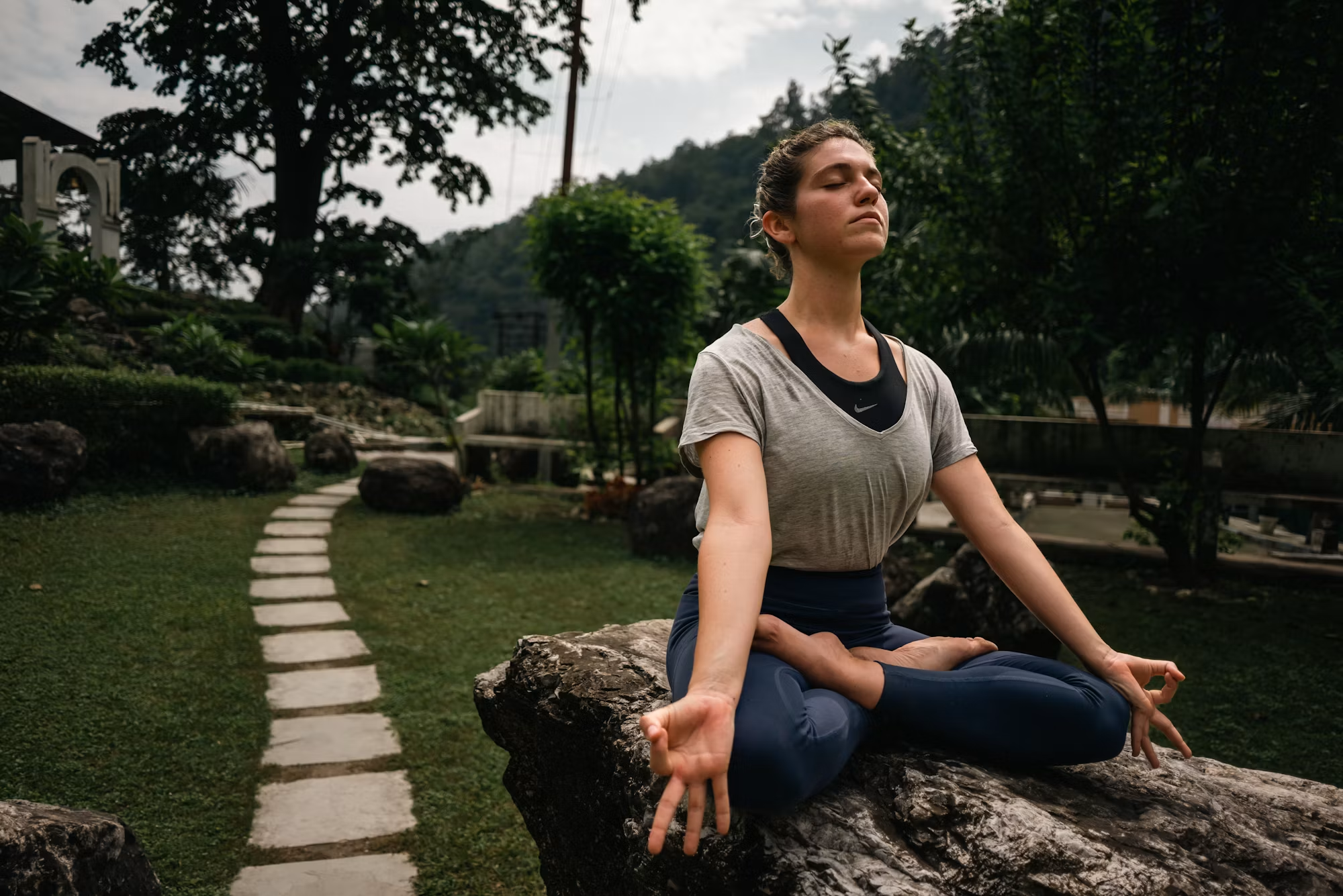
Another impactful way to practice gratitude is through mindful meditation. Taking time to sit quietly and reflect on the aspects of life that bring joy can enhance awareness of positive experiences. Guided gratitude meditations are available through various apps and online platforms, making it accessible for individuals at any experience level. By incorporating this practice into a regular routine, individuals can develop a deeper connection to their emotions and a greater appreciation for life’s gifts.
Engaging in acts of kindness can also reinforce feelings of gratitude. Helping others can create a positive feedback loop, where the giver experiences joy and satisfaction, further deepening their sense of appreciation. Simple gestures, such as volunteering, donating, or helping a neighbor, can foster a sense of connection and purpose. By contributing to the well-being of others, individuals often find themselves feeling more grateful for their own circumstances.
In addition to personal practices, expressing gratitude can be woven into daily interactions. Taking the time to thank coworkers for their contributions or acknowledging the efforts of family members can enhance relationships and create a positive atmosphere. Verbal expressions of appreciation can reinforce connections and foster a supportive community, whether at home or in the workplace.
Furthermore, embracing gratitude during challenging times can be especially powerful. While it may be difficult to see the positives during tough moments, identifying even the smallest silver linings can help individuals cope with adversity. Reflecting on lessons learned or the support received from loved ones can shift perspectives and promote resilience. This practice does not negate the challenges faced but rather provides a pathway to navigate through them with a more positive outlook.
In the workplace, cultivating a culture of gratitude can lead to increased morale and productivity. Employers can encourage employees to express appreciation for their colleagues’ efforts, creating an environment where individuals feel valued and respected. Regular recognition of achievements, whether through formal programs or informal acknowledgments, can enhance job satisfaction and foster a sense of belonging. Acknowledging contributions not only boosts individual confidence but also strengthens team dynamics.
In educational settings, teaching gratitude to children can have lasting benefits. Encouraging young individuals to express appreciation can instill a sense of empathy and connection from an early age. Activities such as gratitude circles, where students share what they are thankful for, can promote a supportive classroom environment. By nurturing gratitude in the next generation, we can contribute to a more compassionate and understanding society.
As individuals embark on their journey toward cultivating gratitude, it is important to remember that this practice is not about ignoring life’s challenges or pretending everything is perfect. Instead, it is about recognizing and honoring the positives amidst the difficulties. The act of appreciating what we have can coexist with acknowledging struggles, creating a balanced perspective that fosters resilience and emotional well-being.
In conclusion, gratitude is a powerful tool that can transform our lives in profound ways. By practicing gratitude, individuals can enhance their mental health, strengthen relationships, and create a more fulfilling existence. Incorporating simple strategies, such as keeping a gratitude journal, engaging in mindful meditation, and expressing appreciation in daily interactions, can significantly impact overall well-being. As we navigate life’s ups and downs, embracing the power of gratitude can illuminate the path toward a more joyful and enriched life. By fostering a culture of gratitude, we not only uplift ourselves but also inspire those around us to recognize the beauty and abundance in their own lives.